A new operations lead at a behavioral health organization may inherit a list of overdue projects, incomplete procedures, and decisions that previous leaders never recorded. Answering requests in the order they arrive can make the calendar look full without clarifying what deserves attention first. A short priorities memo gives leadership and staff a shared record of what the new lead will examine, which work can move, and who is responsible for the next decision.
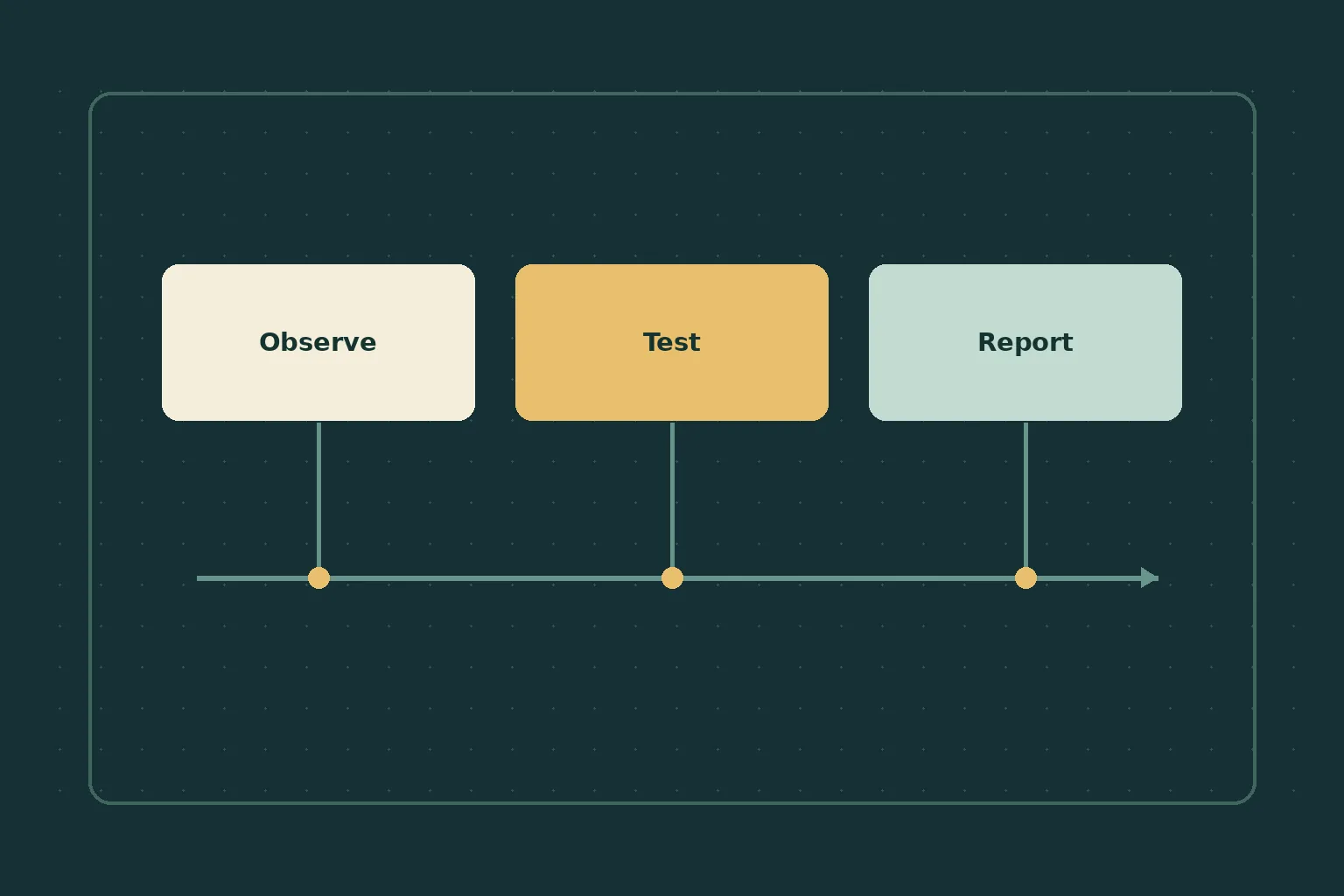
Write the memo to cover three decisions. In the first month, identify a recurring operational problem and decide whether it merits a small test. In the second month, review what the test showed and whether to keep, change, or end it. In the third month, confirm who will own the work and what would bring it back for review. Use the dates as planning markers. If evidence or authorization is missing, record the hold and its next review date.
Name the scope before listing priorities
Start with the operating responsibilities the organization has assigned to the incoming lead. Ask which teams the role can coordinate, who approves changes that affect more than one department, and where unresolved issues should go. A memo can clarify a decision route, but it does not grant access or change reporting lines. Record who confirms scope for the memo and who will review it with the departments involved.
Set out the work that continues while discovery is underway. A new lead may already own routine check-ins, outstanding business commitments, and a scheduled review with department heads. Keep those obligations visible. Decide which exploratory work fits around them and which will wait. The opening page should tell a colleague whether an item is ordinary business, a research priority, or a proposed change.
Describe the boundaries in terms of tasks. The lead might be authorized to compare how departments handle requests for an approved partner document, while the team retains its current systems, publication permissions, and review process. If there is a question about decisions outside the business process, note the authorized owner and leave that decision outside the experiment. Alliance’s executive and leadership advisory page describes related work on decision responsibilities and accountable implementation handoffs.
Days 1 through 30: observe a pattern from both sides
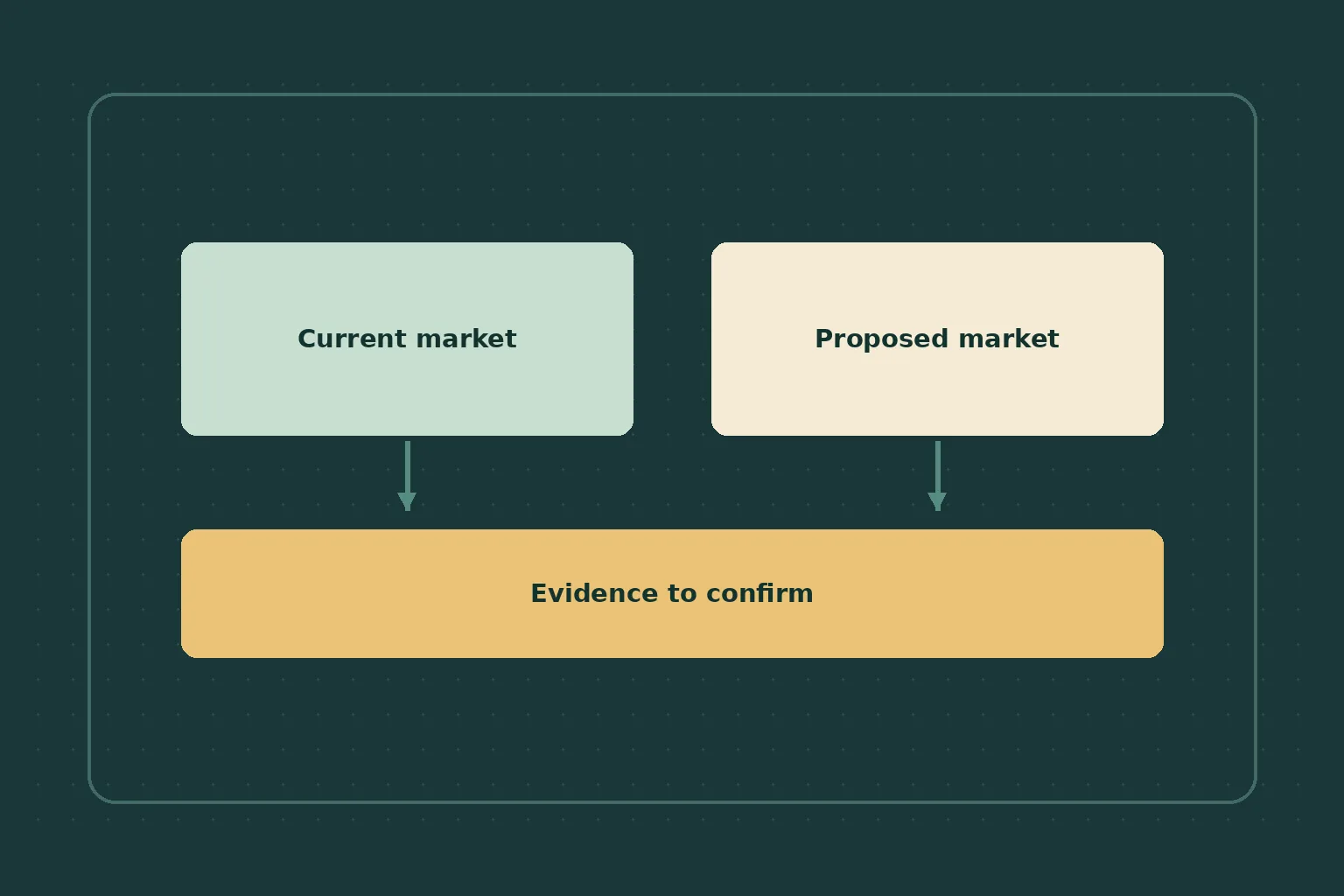
Ask each department for one routine issue that affects work someone else receives. Start with a specific example and ask what should happen next, what actually happened, and which record would show the difference. Look for several occurrences before describing the issue as recurring. A busy week, a long absence, or a single missing instruction may explain one case without pointing to a general problem.
Watch the sending and receiving sides of a synthetic walkthrough. For example, an outreach coordinator asks for the current approved version of a partner information sheet. The coordinator can see that they sent the request. The internal materials team may see only a message in a shared inbox with no accepted owner. Ask each team where it would look for a response, who would take the next action, and how it would know which version is current. Use a fictional request and existing aggregate observations, with no names or individual records in the memo.
Put observations beside the written procedure. If it says the inbox is checked every afternoon, ask how the calendar or work record shows who checked it. If it names a team but no individual or staffed role, identify that as a question to resolve. Do not treat the absence of a record as proof that nobody acted. Ask what evidence should exist and whether it can be checked under ordinary access. Alliance’s operational consulting and performance improvement service describes examining recurring friction, current responsibilities, and usable process improvement.
Pick one priority the memo can defend
Compare two or three candidate issues using the same questions. Does the issue recur? Does it interrupt a downstream commitment? Is there a team that can observe it and identify an authorized next step? Could a trial change isolate it without changing unrelated work? Capture the answers and the evidence date. A loud complaint may still deserve follow-up, but the first test should have a problem the teams can describe and a decision the lead can bring to review.
Use a small holding list for work that falls outside the first priority. Give each item an owner or a route for further review and a reason it is waiting. A team should be able to see that a request was deferred because dependencies are unresolved, because evidence is missing, or because another owner is handling it. Avoid inviting repeated requests for a decision already made.
For the fictional materials request, the lead might identify two issues. Staff have trouble finding the current approved copy, and the shared inbox shows no reliable acknowledgment. Testing both at once could obscure what helped. The memo could prioritize acknowledgment, ask the materials owner to review the location of the approved copy separately, and explicitly retain the current publication process.
Put the three decisions on the same page
| Phase | Evidence or work | Decision to record |
|---|---|---|
| Days 1 to 30 | Dated walkthrough and sample of routine requests, including what each team could verify | Test one issue or hold it and name the missing information |
| Days 31 to 60 | Approved trial scope, old and trial instructions, and a summary of what happened | Keep, adjust, or stop the trial with a reason |
| Days 61 to 90 | Current procedure, continuing owner and backup, and a walkthrough of an open item | Transfer ownership, record a gap, or set the date to revisit |
Beside each row, list the decision owner, next review date, what can continue, and what stays on hold. Name someone who will update the memo when the decision changes. If the shared version becomes stale, people may act on a draft decision while another department treats it as pending. A dated decision line and a stable copy location make that easier to detect.
A useful decision line might read, “Trial authorized for routine requests for existing approved materials only. The materials lead will check whether outgoing acknowledgments are visible, then review with the operations lead on the next agreed date.” It tells staff what action was authorized without asking them to infer approval from a meeting note.
Days 31 through 60: run a contained trial
Define the test in one sentence. For instance, “For routine requests for an existing approved partner document, the person monitoring the shared inbox will acknowledge ownership in the current request record and identify the next action.” Ask the existing process owner what the team can do under its current authority. Record the exact period and the circumstances that would end the trial early. The memo can identify risks or gaps without turning them into new permissions.
Compare the observation before the trial with comparable work during the trial. You might count how many routine requests showed an acknowledged owner by the agreed review time. Keep the total number of eligible requests beside the count and describe any important differences between periods. Explain when a measure cannot be compared. An unrecorded acknowledgment in the earlier period may have happened, so report what the records establish rather than assigning a cause.
Choose one check to tell whether the trial is creating new friction. Ask whether the team now has to record the same acknowledgment twice, or whether someone still sends a second message because they cannot see the record. If the new step creates a duplicate queue or staff have to leave the authorized workflow to perform it, pause and ask the existing owner to review. Alliance’s workflow development and process improvement page describes related work on how responsibilities, documentation, and systems fit together.
Use a mixed result to find the real decision
Imagine the trial notes show that the regular inbox owner acknowledged routine requests when working, but a trained backup could not open the inbox during an absence. Two requests were acknowledged late. A longer procedure would do little to explain why the backup could not use the existing route. Separate the positive observation about the regular owner from the unresolved question about backup access.
Take the access question to the team that controls it. The business memo should describe the problem, the role that needs to review it, and what will happen until it is resolved. It does not need to list credentials or prescribe an access change. The process owner might choose to use the existing staffed fallback while the authorized team checks whether the backup can carry out the normal procedure.
Now give the decision owner a clear choice. Keep the trial only during staffed periods and revisit it after a permitted backup check. Alternatively, revert to the previous instruction if part-time use causes confusion. Record which option was chosen, the evidence behind it, and what would change the answer. Use the next scheduled review to check that the decision was carried out.
Days 61 through 90: hand off the process with one open item
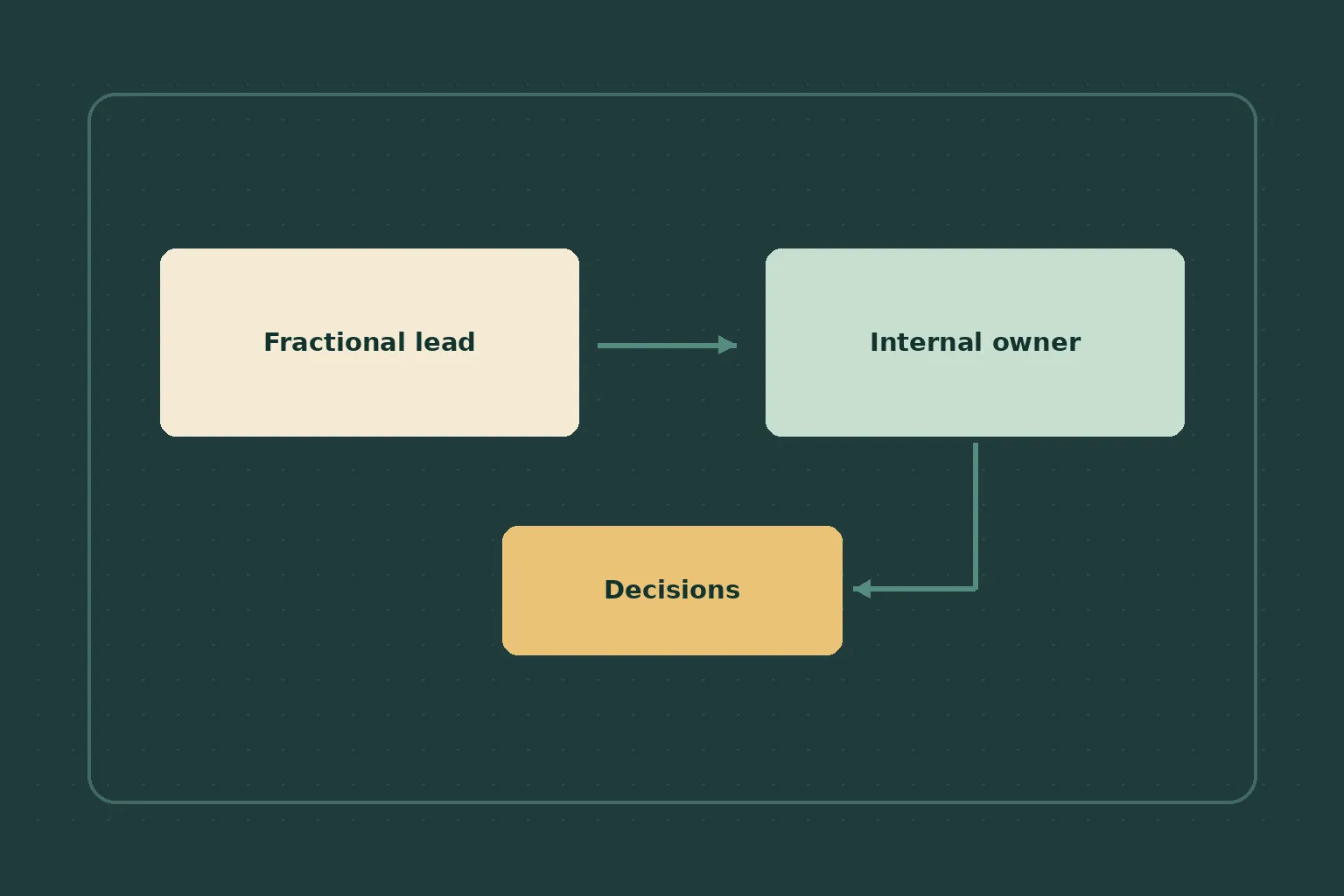
Ask the continuing owner to demonstrate the work they will receive. Can they locate the approved procedure, identify the backup, and find the current request record? Can they explain when the business process should be brought back for review? Give them a routine fictional request and one open question, such as a recent change to the date the materials team checks its inbox. Ask them to show which record they would update and whom they would notify.
Update the authoritative instruction once the proper owner approves it. Remove or clearly retire temporary versions and check the places where staff look for directions. If an update is not yet ready, record which previous instruction remains current and where staff should take questions. Keep the unresolved issue in view so nobody assumes transfer of ownership resolved every dependency.
Give the continuing owner a short summary with the last decision date, what was tested, what evidence remains incomplete, and the next review. Confirm the owner and backup can use the material without the incoming lead talking them through it. Alliance’s ongoing consulting and implementation support page describes making approved priorities usable in daily operations and identifying internal owners for handoffs.
Reserve a place for decisions the next lead will inherit. For example, the team may have agreed that materials owners will review the current copy quarterly, while a request for a new resource waits for a separate decision. A single line for each item makes the transfer useful when the original project notes are no longer in front of the team.
Close the memo with a decision the team can revisit
At the ninety-day review, present one completed decision and one open question. In the fictional example, the completed decision could be to retain the acknowledgment step during approved coverage. The open question could be whether the assigned backup can use the same procedure after the authorized team has reviewed access. Name who will check it and the date they will return with a result. If the test never moved beyond a hold, document what would allow the appropriate owner to reopen it.
The memo can then serve the next review without becoming a list of personal achievements. A department head should be able to tell why a priority was chosen, what work was authorized, what the observations actually show, and who now owns the next decision.