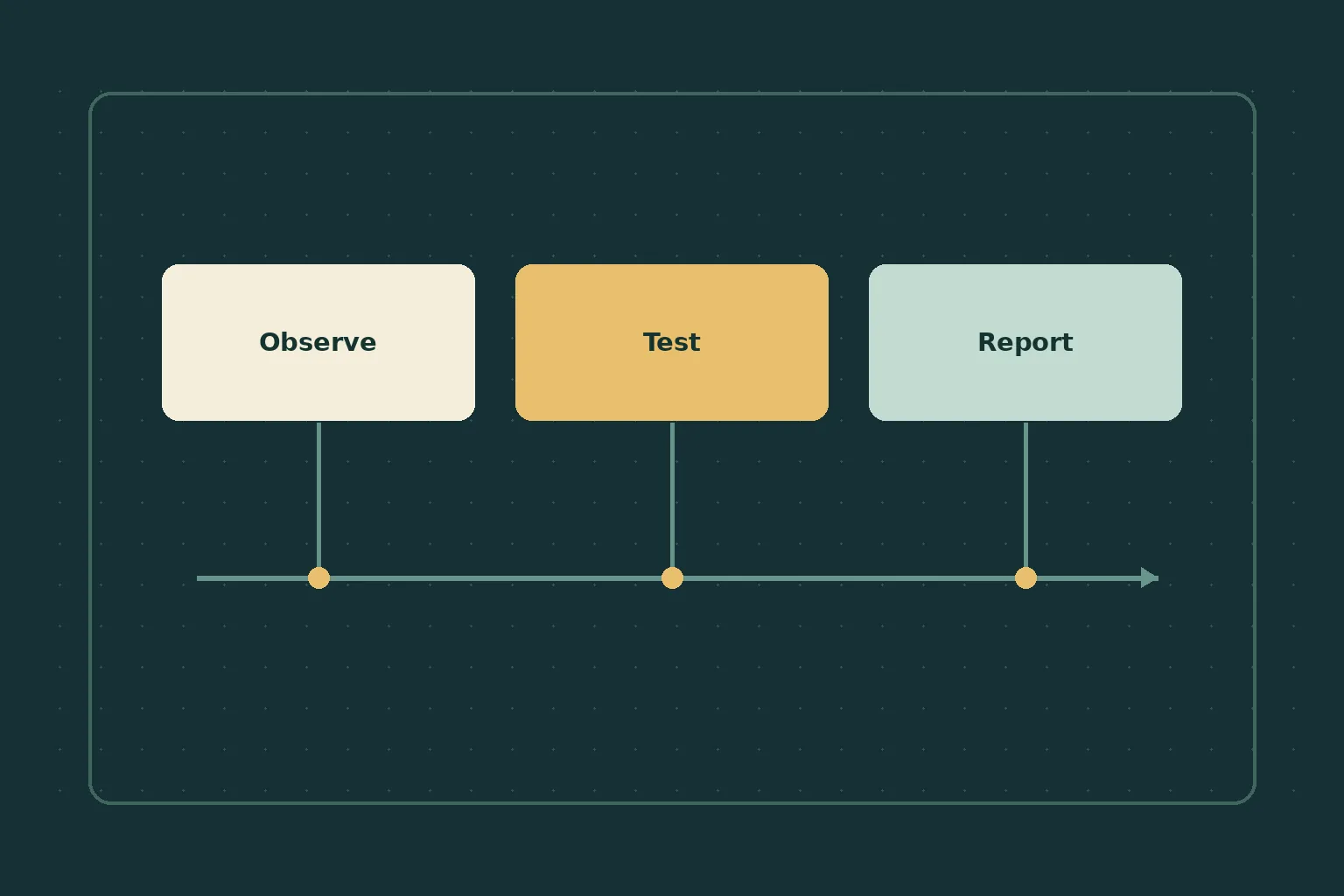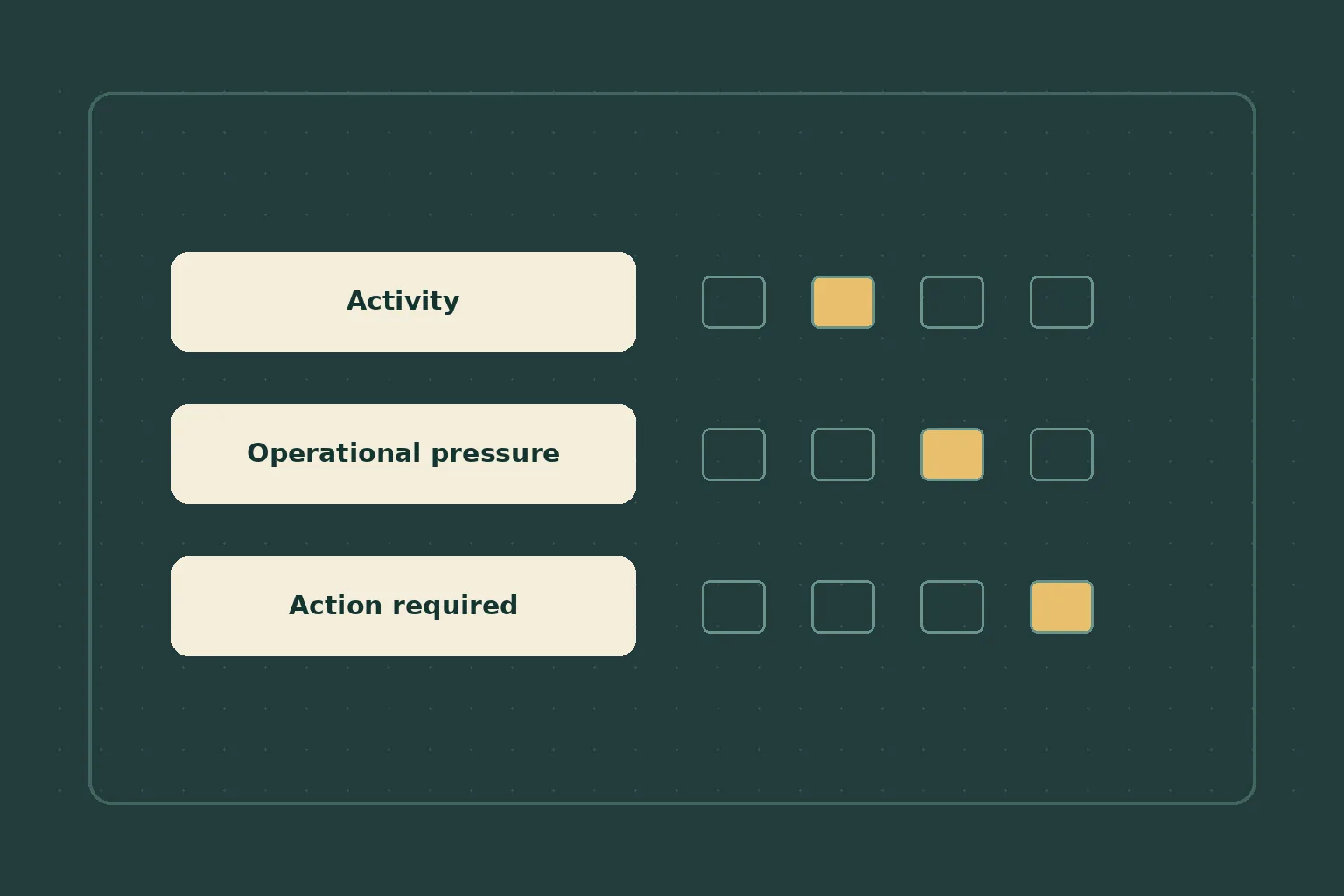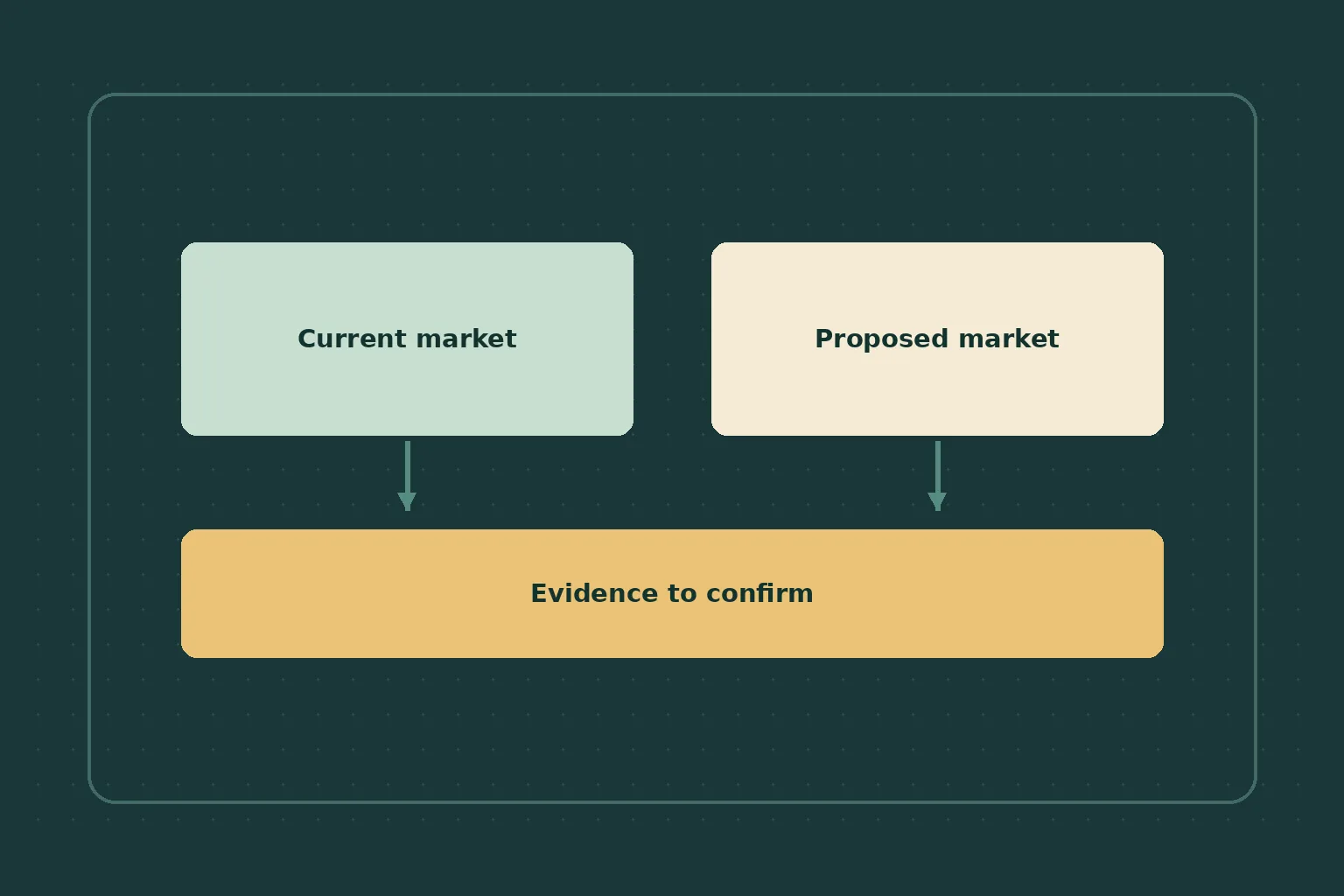
A team exploring a second behavioral health market may hear the same encouraging observation from several people: families travel a long way to reach existing services. That observation can justify a closer look. It leaves open which part of the area the organization could serve, what people are trying to reach, and whether the current team could support the next step. An early market test should help leadership decide which question to investigate further and which proposals to hold.
Start with a place, a defined offering under consideration, and one decision the evidence could change. For example, a fictional organization might ask whether it should study an evening access option in one neighboring county. Its decision is whether to investigate coverage and local referral routes in more depth. The research has no public launch announcement, contact promise, or commitment to open a site.
Write the decision before collecting evidence
Put the immediate decision at the top of a short research note. Name the decision owner and the next scheduled review. State what has already been approved for research and what would require a separate decision. The team may already have permission to look at public sources and request aggregate observations through existing contacts. It may need separate approval for interviews, a larger geographic study, or any public communication.
A useful decision leaves room for an answer the team did not expect. Imagine the initial proposal assumes that weekday evenings are the missing option. What would leaders do if the evidence described a long journey at all hours, while scheduling concerns centered on daytime appointments? The study could narrow the question to travel, pause the evening model, or identify an alternative worth examining. Write those possibilities down so the research does more than assemble support for the first idea.
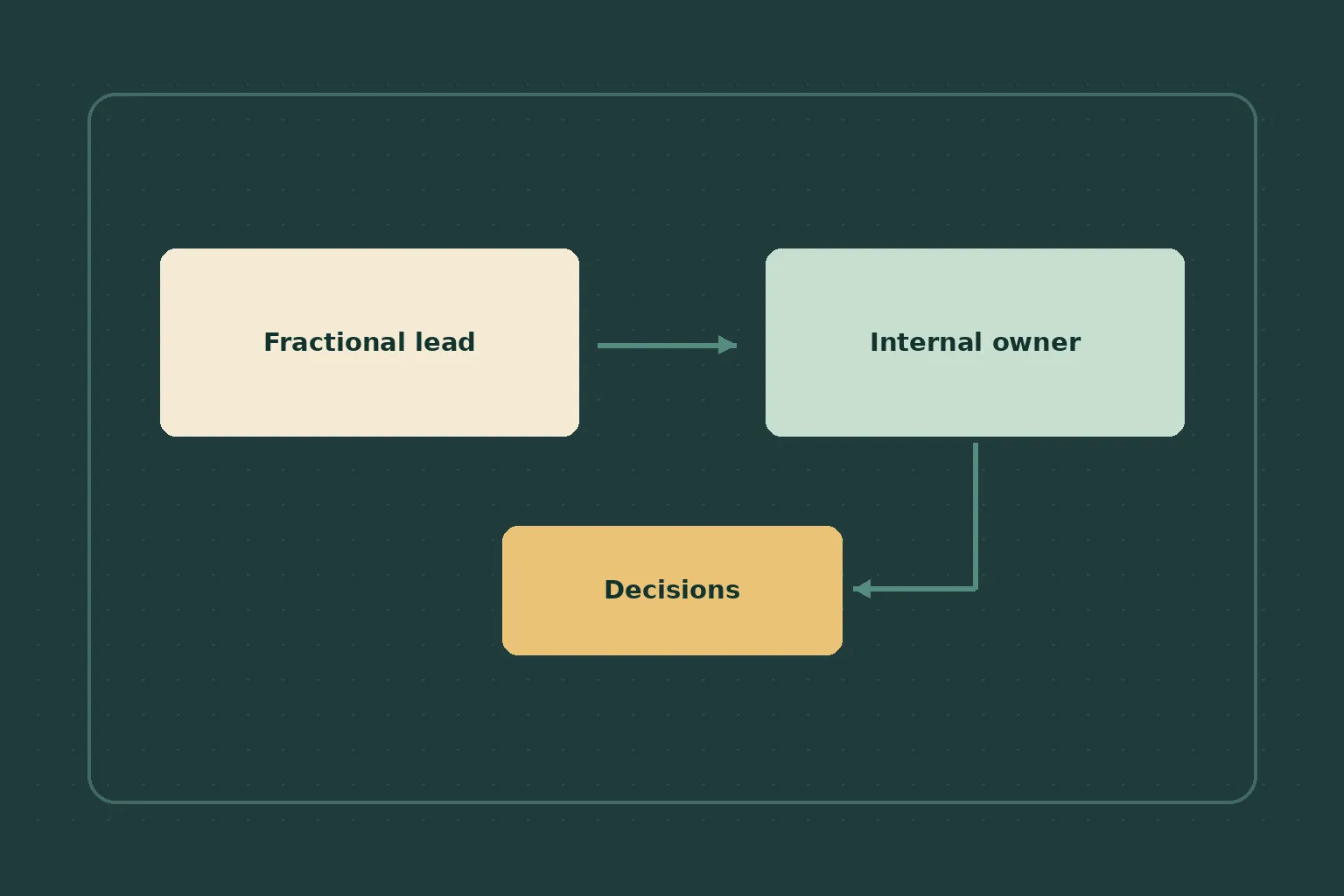
Separate the opportunity from decisions about how it would operate. The manager gathering market evidence can report what the sources say. The owners of staffing, workflows, and approvals determine what the organization could reasonably take on. Alliance’s new-market entry and geographic expansion page describes related work on comparing markets and the practical requirements of expansion.
Describe the area the way people move through it
Begin with a manageable boundary, such as a county or several towns served by the same travel route. Record why you chose it. A boundary based on routine travel or partner coverage may be more useful to the test than a circle drawn around a proposed address. Keep nearby areas separate when their travel patterns or available options differ. A larger geography can make encouraging evidence look more consistent than it is.
Build a simple note for each local source. Include the area it describes, the date of the underlying information, what was measured, and who was represented. A regional planning report may describe a broad access issue. A public directory may show programs and listed hours. A professional contact may have an aggregate observation about the requests their team handles. Those sources answer different questions. Keep their limits visible when two accounts appear to agree.
For example, suppose a county report lists transportation as a barrier across a large region, but the team’s study covers two adjoining towns. The report helps frame a question. It does not show which travel routes matter in those towns or why a specific option is difficult to reach. Ask which routes, if any, can be verified through public schedules and current service descriptions. If the study cannot isolate those towns, write that limitation in the decision note.
Keep local interest separate from service fit
Collect observations around the offering the organization is considering. Ask what people were seeking, how they determined where to start, and what happened at the next step when that information is available in authorized aggregate form. Avoid collecting personal details or making an invitation to refer someone to a service that has not opened. A professional conversation can focus on common routing questions without discussing any individual.
Use a different column for what the evidence can support. For example, three organizations might use the word “evening” when describing questions they receive. That is a reason to ask what they mean. They may be describing an available time for a callback, travel after work, or the hours of the offering itself. The first two may call for different questions even if the same word appears in all three accounts.
Look for information that challenges the initial idea. A current provider may already offer the hours people say they need, but its public instructions may be hard to locate. The community observation may also concern an offering the exploring organization is not equipped to provide. Write those findings alongside favorable observations. Alliance’s startup feasibility and market analysis page describes market evidence and operating assumptions as inputs to an early feasibility decision.
Map the next step from a partner’s point of view
Pick one fictional referral-routing scenario. A professional contact in the study area wants to find out whether a type of service exists and which team can answer general questions. Walk that scenario using public information already available for existing organizations. Note where a reader can verify the service area, contact route, and hours. Record what you cannot independently confirm. Public pages and directories can lag operational changes, so date the observation.
Treat the exercise as a check of visible information. A program listing does not establish current availability, eligibility, or a person’s eventual experience. A professional organization’s willingness to explain how it usually routes an inquiry is an observation, not a commitment to refer. Keep current public facts, reported observations, and the proposed organization’s assumptions in separate rows so the decision owner can see which parts carry more uncertainty.
Compare the contemplated offering with the ordinary choices people already see, including nearby locations and options across a geographic boundary. There is no need to score providers or claim that an existing service is inferior. Ask whether the proposed difference is specific enough to test, such as a contact window or a geographic point of access. Alliance’s competitive market positioning page covers related questions about understanding the alternatives and clarifying how an organization describes its offering.
Check what the current team could take on
Ask the current program and operations owners to name the people, time windows, and tasks the proposed next step would rely on. Start with the requirements the organization could observe administratively: who would answer general partner questions, who would maintain a current public record, who would coordinate coverage, and who could handle a misplaced inquiry under existing instructions. Write down the team’s current commitments for the same period.
A manager can then distinguish a known constraint from one still being checked. If the organization has no identified evening contact coverage, record that fact and identify who could assess alternatives. If leadership has yet to decide whether any current staff could support work in another area, record the missing decision. A favorable market observation gives the owner a reason to investigate. The operating decision still needs its own evidence.
Connect the exercise to the current site. For example, the same person may already be responsible for timely follow-up at the current location. Ask what existing work would have to move to make room for a test, who would take it, and whether the current manager approves that change. Alliance’s business planning and growth strategy page describes planning around priorities, responsibilities, and implementation capacity.
Put the test, limit, and stop rule on one page
Give the research owner the question, approved method, completion date, and resource limits. Specify which public sources the team can use and which existing contacts may be approached through the approved process. If observations are collected, define what they can include and where the business records will be kept. Make time to review what the fieldwork produced before deciding that another round is needed.
| Question | Evidence to bring to the review | Stop or narrow when |
|---|---|---|
| Is the reported access issue local to the study area? | Dated public sources and aggregate observations tied to the named towns | The evidence only describes a broader area or a different group |
| Does the contemplated offering address that issue? | A comparison of the specific features people are seeking and the current proposal | The recurring request concerns a materially different option |
| Could the team responsibly explore the next step? | A named owner, coverage limits, and current work that would be affected | The next step would displace an existing commitment without coverage |
| Would another round resolve a specific uncertainty? | One missing fact and a method that could change the decision | The proposed work repeats the same evidence or exceeds the approved scope |
Limit the test to research activity that can end cleanly. For example, a decision to speak with existing professional contacts does not authorize a campaign, an external announcement, a purchase, or a promise to open. Identify what the research owner will close when the test ends, such as unneeded draft outreach or unassigned research requests. If an activity would create a continuing obligation, bring it back to the appropriate owner before beginning.
Walk through one mixed result
In a fictional study of two neighboring towns, several local contacts say people ask about evening access, while the most specific requests involve a late callback after work. Public schedules show limited evening travel from one town. A contact in the other town describes a transportation question but cannot distinguish regular service visits from first visits. The organization’s current team has an evening callback gap that already affects existing work.
Put those facts in separate rows. The callback observation could justify asking more precise questions about first contact. The transport observation is useful for one town but too broad to characterize both. The current coverage gap is a constraint the organization can verify now. A second broad survey about evening access would likely repeat the ambiguity. A narrower review could test whether a reliable late callback option is a distinct issue worth considering, without assuming an evening program is the solution.
Record what changes the next decision. Leadership could hold the broader entry study, assign a limited check of the callback question, and leave the question of a new operating schedule with the current program owner. If the narrow check cannot distinguish a local pattern or if coverage cannot be examined without disrupting existing work, the owner has an explicit reason to close the test.
End with the decision the evidence can support
At the review, give the decision owner the useful observations, the unanswered question, and the operating limits. Put original sources and dates beside the summary so the owner can distinguish a current finding from an earlier assumption. If the team recommends further work, name the question it would answer, the person responsible, and when the result will come back. If the owner holds the proposal, write down the condition that might justify revisiting it.
Close the record with a plain recommendation: hold, collect one specific missing piece, or prepare a separately reviewable next stage. Identify any decision that belongs with a specialist or another authorized owner. This record is useful even when no expansion follows. It shows what the organization learned about the area, what the current team could support, and why the evidence led to that next step.