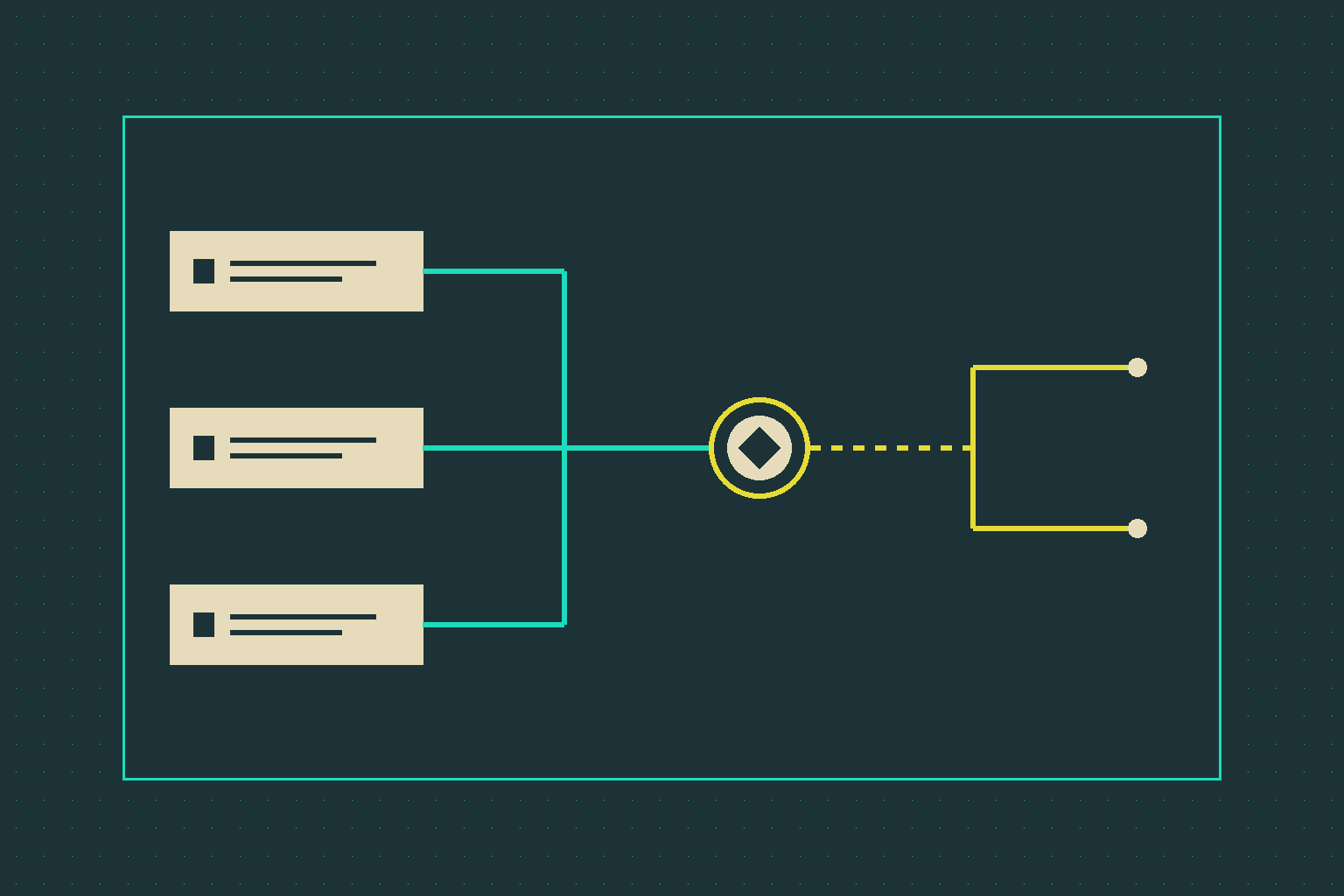
On the third morning of a fictional program’s first week, the shared queue for office-supply requests becomes unavailable. One routine request was entered before the interruption. During it, a colleague submits a second request for the same supplies. When the queue returns, the team has to show what was already recorded, what it held, and what still needs an owner.
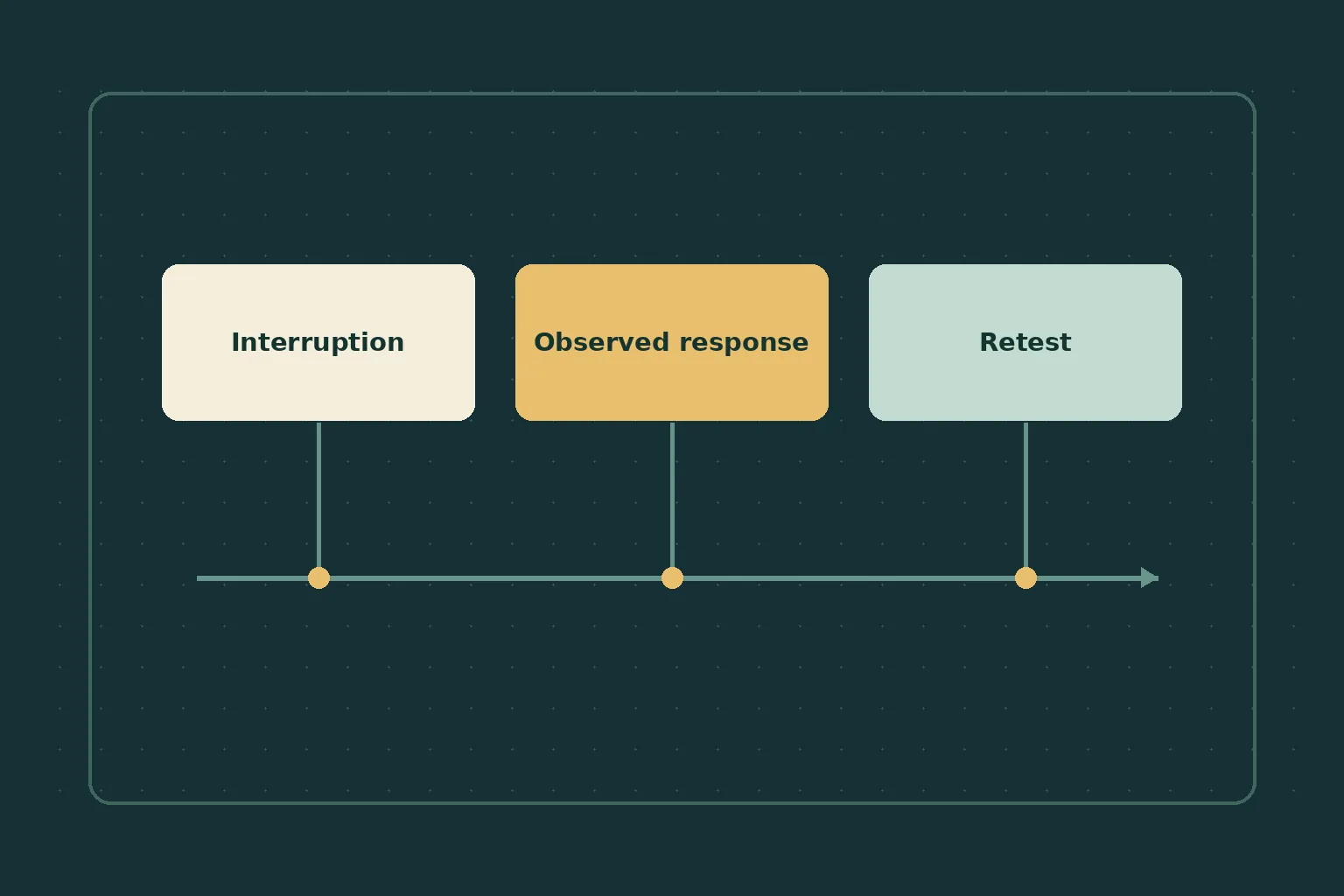
That small administrative interruption is enough for a tabletop. Use it to test one question: can the team preserve the status of routine requests and return to the regular queue without losing or duplicating a task? The facilitator introduces the interruption and recovery as prompts. The observer writes down decisions, evidence, and assistance as they happen. The exercise stays inside a fictional packet from beginning to end.
Choose one ordinary workflow and its stopping point
Pick a workflow somebody can explain in a few sentences. In this example, an internal requester asks for routine stationery, an administrative coordinator reviews the entry, and the designated approver decides whether it can move. The workflow ends when the team has an accurate record of each distinct request and the next person responsible. Buying or arranging delivery is outside the exercise.
Limit the materials to ordinary nonclinical office supplies and made-up records. Use sample identifiers, fictional times, and exercise sheets. Keep purchasing, real messages, and live queues outside the room. If the organization has an approved temporary record for this type of work, reproduce its relevant fields in a training copy. If nobody can identify an approved procedure, the exercise can document that gap without inventing a live workaround.
Define success before showing participants the prompts. The observer should be able to identify the original request, the possible duplicate, the request held during the interruption, and how the group reconciled them. The observer should also be able to show which decisions were made during the session and which need formal follow-up. Alliance’s new program launch and implementation service describes broader work around first-week implementation.
Set up the exercise record and the people who will use it
Assign an exercise facilitator, an observer, and two or more participants who represent the relevant administrative roles. The facilitator releases each prompt and can pause the session. The observer keeps the exercise record and does not supply missing answers. The participants explain their decisions and show where a colleague could recover the record. One person can represent more than one role if the log notes which role they were playing when they made a decision.
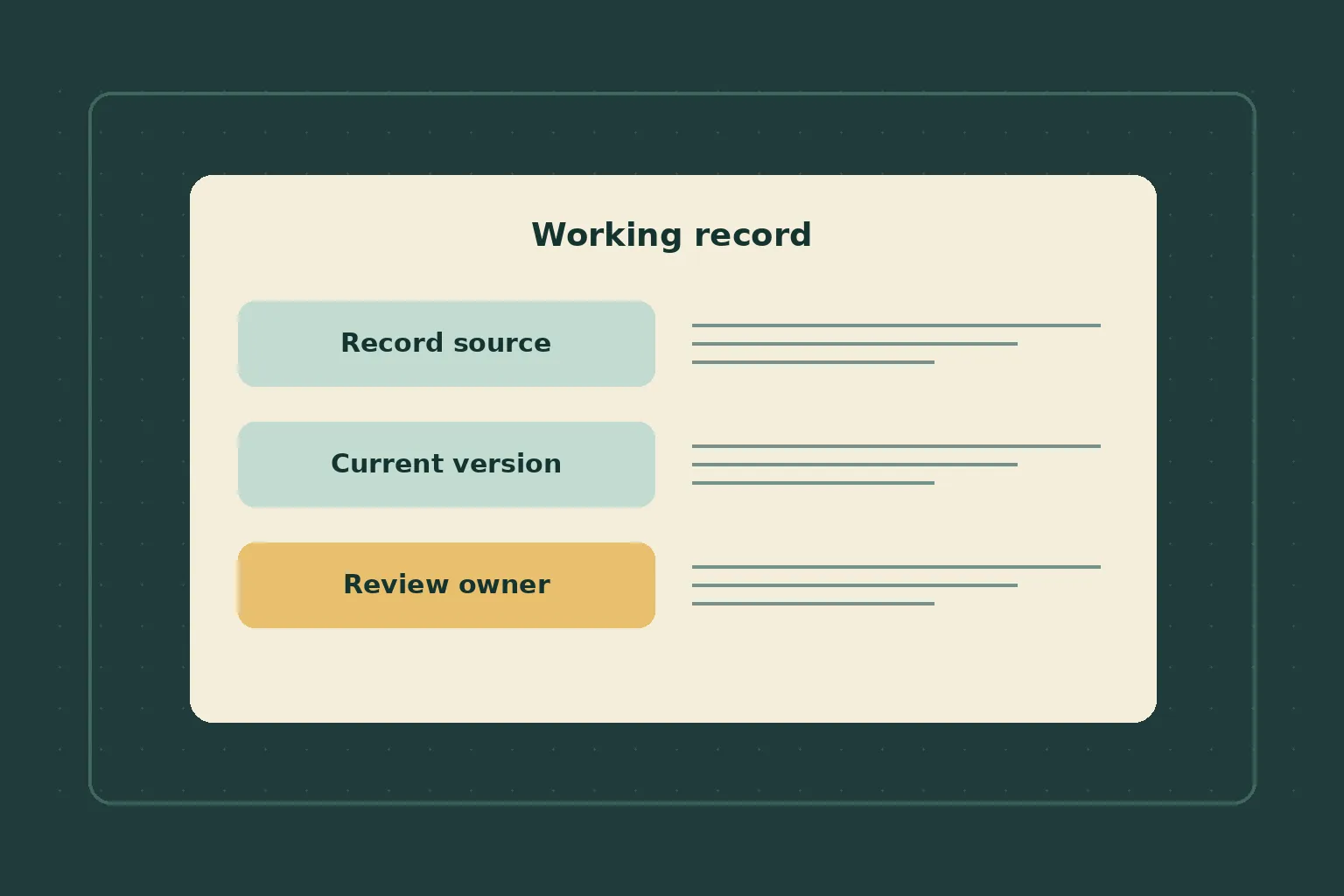
Prepare one practice queue extract with two previous entries. One is deliberately relevant to a later prompt. Mark the extract with the point in simulated time it represents. Add a training copy of the existing administrative procedure if one is available. Place the observer’s notes in a different sheet from the participant’s simulated work record, so an observer’s interpretation never becomes something the team appears to have recorded.
Tell participants that they may refer to the authorized procedure and training information made available in the exercise. They may also say when the documented procedure is unclear. Ask them to write down what they are doing inside the packet, including decisions to defer. Staff training and professional development is relevant when a team needs to practice applying its own procedures before turning lessons into ongoing training.
Decide in advance what you will count as facilitator assistance. Reading the next scheduled prompt is part of the exercise. Pointing to the line that resolves a request is help. Clarifying an ambiguous setup may be necessary, but capture exactly what the facilitator clarified so the review can account for it.
Release the prompts in sequence
| Exercise prompt | What to look for | Evidence to capture |
|---|---|---|
| The routine supply-request queue is unavailable. The exercise packet shows its last confirmed extract. | Participants identify the time and limits of the extract and name the applicable temporary or hold decision. | Exact source they consulted and what they said remained unknown. |
| A simulated coworker asks for the same supply item and location as one earlier entry. A separate routine request also comes in. | Participants distinguish a possible duplicate from a separate request and preserve both for review. | Identifiers used, which records were held, and who can resolve the duplicate question. |
| The exercise queue returns with a newer extract. It includes the earlier request and one item with a changed status. | Participants account for the newer record while recovering the work captured during the interruption. | Which status was verified, which records were linked or queued for review, and who owns each unresolved item. |
Show participants only the information available up to each prompt. Give them enough time to put a decision in the practice record before moving on. If they have a question the packet cannot answer, invite them to record the missing information and say which role could resolve it. A question that exposes a hole is a valid result.
Keep the interruption the same throughout the exercise. The possible duplicate and newer extract are consequences of losing the routine queue, rather than separate crises. Adding a second system problem or a different team’s workload would make it harder to tell which decision the record actually tested.
Capture a small, controlled observation log
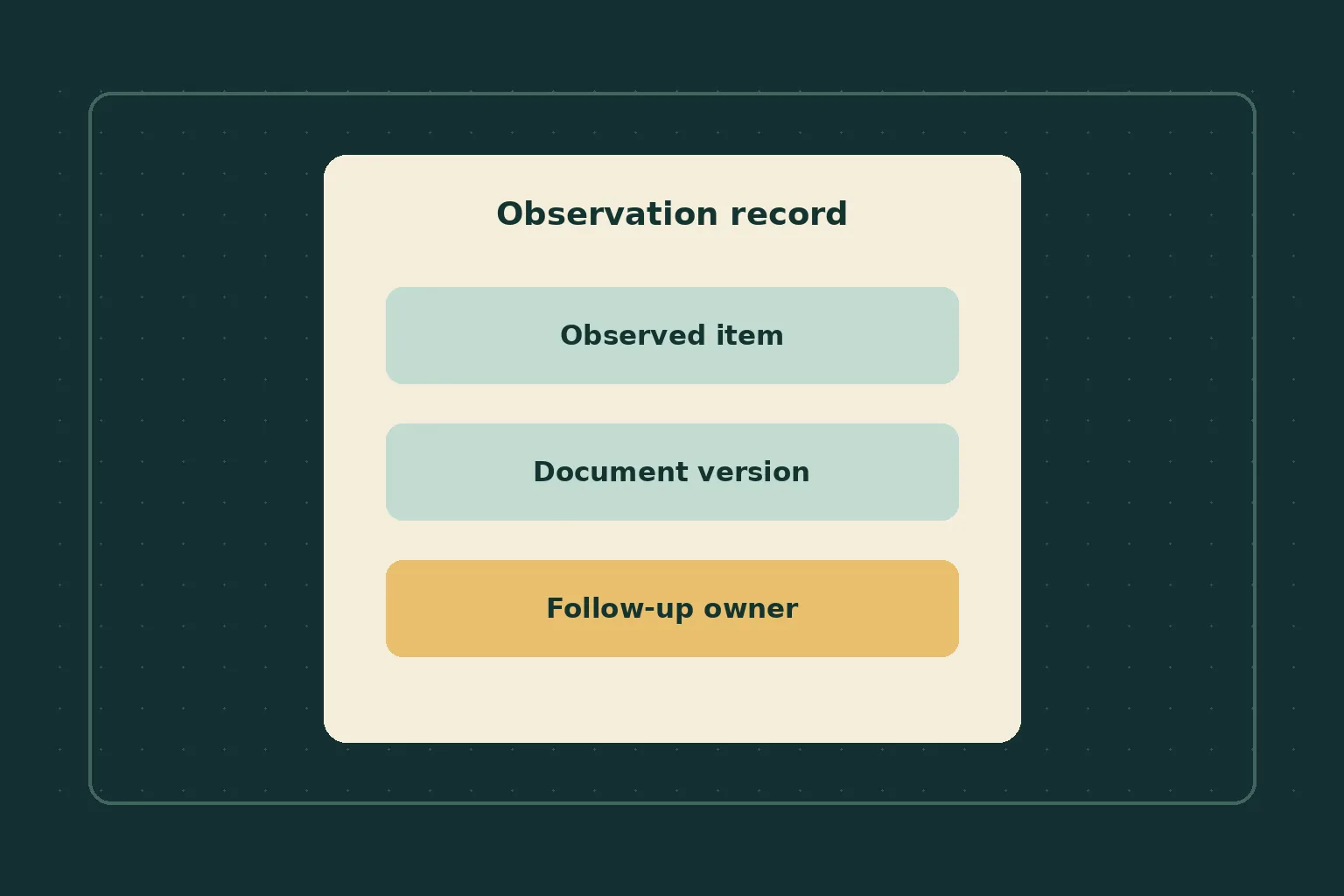
Use one observation row for each decision point. Capture the prompt identifier, the simulated time, the action observed, the source or practice record the participant used, any help given, and the next role responsible. Add the observable outcome. “The coordinator said they would reconcile the two requests” is a stated intention. “The coordinator marked SUP-02 as a possible duplicate of SUP-01 in the exercise sheet” is evidence of a recorded decision.
Keep the simulated time separate from the time the observer wrote the entry. This helps when somebody remembers a correction afterward. If the team adds an explanation during discussion, date it as a later note and preserve the original observation. That sequence lets a reviewer see whether the process produced a usable record during the interruption or only after someone reconstructed it.
Use three outcomes: worked without help, worked with help, and did not work under the test conditions. Score each action separately. Participants might correctly preserve the new request while failing to identify whose decision is needed for the possible duplicate. A single overall pass would bury that gap.
Review the observer’s wording for assumptions. “Did not open the prior extract before marking SUP-02 as new” describes something the observer can verify. “Did not understand the process” goes beyond it. Alliance’s workflow development and process improvement work is relevant when an exercise reveals ambiguity in the path itself rather than a question about one participant.
Reconcile the exercise records after the queue returns
Give the team a second extract that represents the recovered queue. One entry had already reached approval before the interruption, although the original extract showed it as awaiting review. The temporary record also contains a distinct request created during the exercise. Ask the participants to compare the identifiers, information available at the time, and verified current status.
A useful record has a place for three outcomes: confirmed in the recovered queue, still to be reviewed, and possible duplicate awaiting resolution. Let the organization’s assigned role decide how it would record those states. The session should show whether another reviewer can trace the decision through the exercise record. An item can be held pending review and still be accounted for.
Read the outcome back against the packet. Can everyone point to the earlier authorized request, the later wording that looked similar, and the independent new request? If one person says two items were duplicates and another says they were separate, keep that disagreement visible. Ask what evidence would settle it and who should own the follow-up. The observer can record a meaningful unresolved decision without awarding a pass.
Do not carry a practice record into an actual queue. Keep any proposed procedural change in the follow-up list for the appropriate owner. The resolved exercise packet should contain only what was necessary to reconstruct the tested decisions.
Read the outcome as a row for each request
Try a fictional set with three entries. SUP-01 asks for notebooks at the program office. The first extract shows it awaiting review, and the recovered extract shows approval. SUP-02 asks for notebooks at the same office while the queue is unavailable. Its wording does not establish whether the coworker is following up on the first request or requesting a separate quantity. SUP-03 asks for envelopes and has no corresponding item in either extract.
A complete exercise record would let a reviewer find each of these entries. SUP-01 retains the approval shown in the recovered extract. SUP-02 remains a possible duplicate with a person assigned to clarify it. SUP-03 is visible as a separate held request with its applicable review step. Each status points back to an observation or a decision made in the exercise.
Ask the reviewer to reconstruct those three dispositions using only the practice record. If the reviewer has to ask which notebook entry came first, mark the row that lacks a usable time or identifier. If the status is clear but no one owns the unresolved duplicate, the retest should focus on that ownership field.
Debrief the evidence and retest one decision
Give participants a few minutes to read the observation rows before the debrief. Start with what someone could recover from the records without explanation. Then look for the first point where a needed decision was missing or had to be supplied by another person. Ask whether the procedure, the location of the reference, or the format of the recording sheet contributed to the gap.
For example, the team may correctly flag a duplicate but lack a place to record who can confirm it. Ask the procedure owner to decide how the role appears in the approved record. For the retest, give a different participant the same kind of information and start at the duplicate prompt. Look for a visible owner and an unresolved status. Keep the new observations separate so someone can compare what happened before and after the change. Alliance’s quality improvement initiatives work is relevant when a team needs to turn a small, observable finding into a repeatable check.
Say what made the retest comparable. Preserve the same access to reference material, time available, and point in the scenario unless a deliberate change is part of the new test. If an employee has already seen the answer, give the role to someone who has not seen that prompt. An easier exercise may still be useful for training. Record the difference before treating the outcomes as evidence of a process improvement.
Close the session with a short record of what worked unaided, which step still requires a decision, and who will review it by what date. Link to the controlled exercise packet if authorized. Add the scope of the result in plain language. This tabletop followed one simulated interruption in routine administrative work. It can support a decision about recovery and recordkeeping for that task. Other workflows need their own observations.
At the next first-week planning session, use the exercise log to ask one concrete question: could another person reconstruct the disposition of every request after the simulated queue returned? If the answer depends on the facilitator remembering what happened, the next test has a clear starting point.