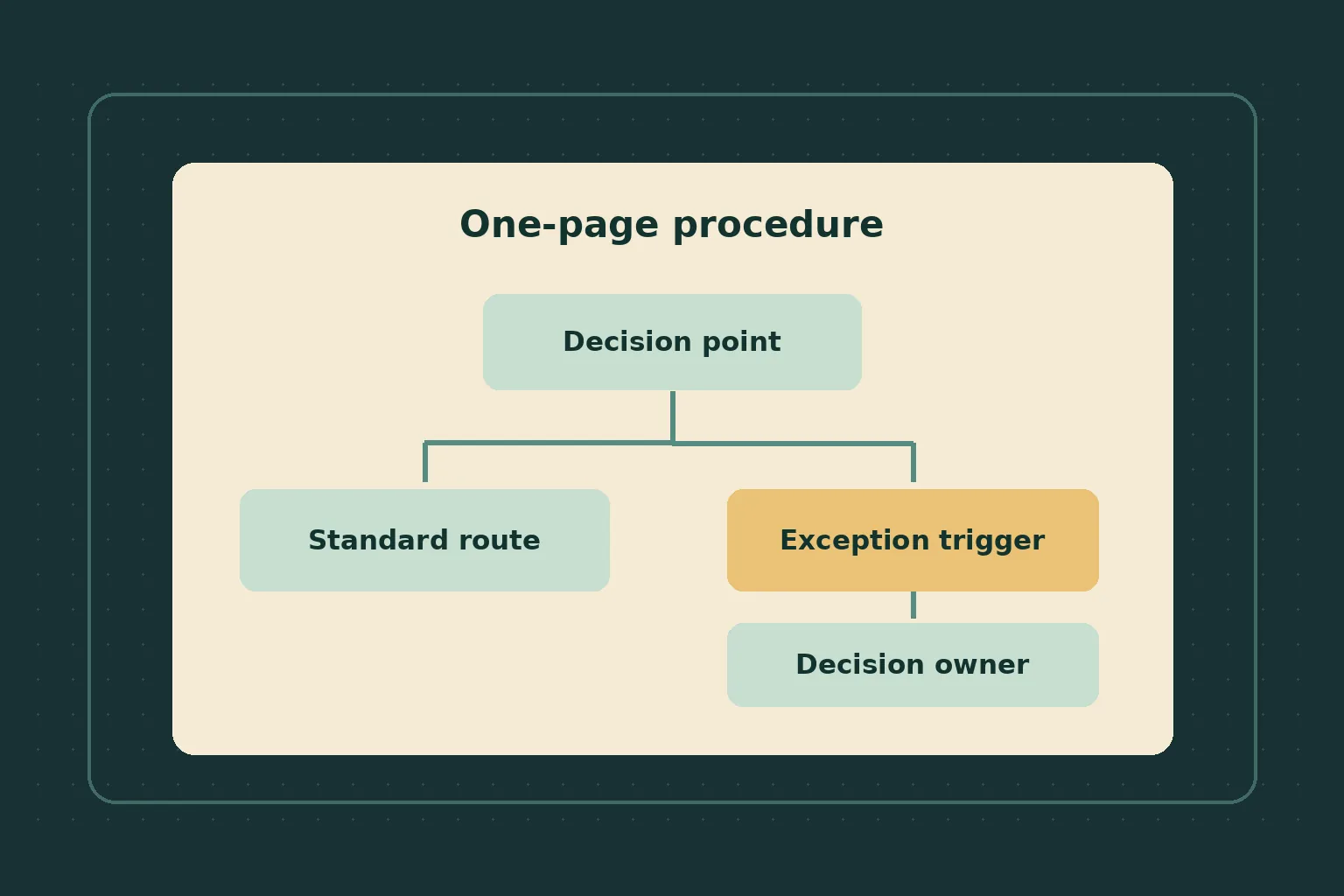
A one-page standard operating procedure should answer the question a staff member has at the point of work: “Can I finish this, or does someone else need to make a decision first?” Put the ordinary action, the stopping condition, and the decision owner in the first half of the page. A person covering the work should be able to find all three without asking who wrote the procedure.
Consider an internal administrative task at a behavioral health organization. A staff member posts a monthly staff resource packet to the employee resource folder. An internal register lists which version is approved for sharing. On most days, the person publishing the packet checks the register, matches the version, and posts it. When the register has a blank or conflicting status, the person needs one rule for holding the packet and assigning the exception.
Define a task small enough to fit on one page
Start with a single trigger and an observable finish. In this example, the trigger is a new version of the internal packet being due for distribution. The task finishes when the approved version appears in the employee resource folder and the distribution entry shows which version was posted. The instructions cover one packet and one destination. Approval of the contents remains with the organization’s existing authority.
Name three roles in the working draft. The operator checks the register and posts the packet when its status is clear. The register owner resolves a missing or conflicting status, or obtains a decision from the person already authorized to approve the packet. The procedure owner maintains the SOP and checks that the owner and backup can still be reached. The same person can hold more than one role, but each responsibility needs a visible label.
Agree on which source answers the approval question. The file name, an earlier message, and the contents of a draft folder can help identify a packet. The organization’s designated register determines whether that version may be posted. If two instructions name different approval sources, have the procedure owner resolve the discrepancy before issuing the page.
For teams deciding which operational instructions deserve attention first, Alliance’s operational consulting and performance improvement overview explains how responsibility and handoffs contribute to a workable administrative process.
Write one rule for a missing or conflicting status
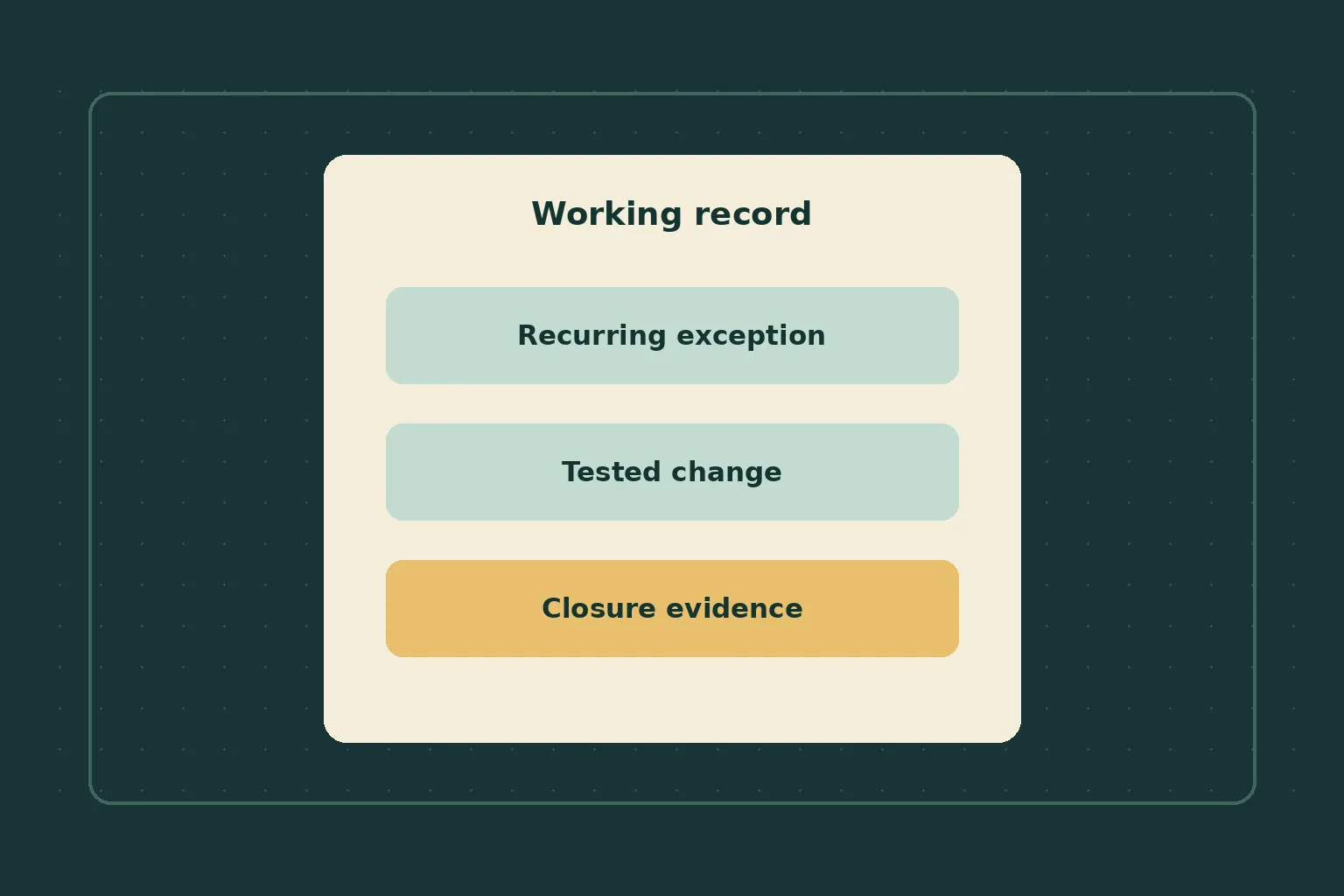
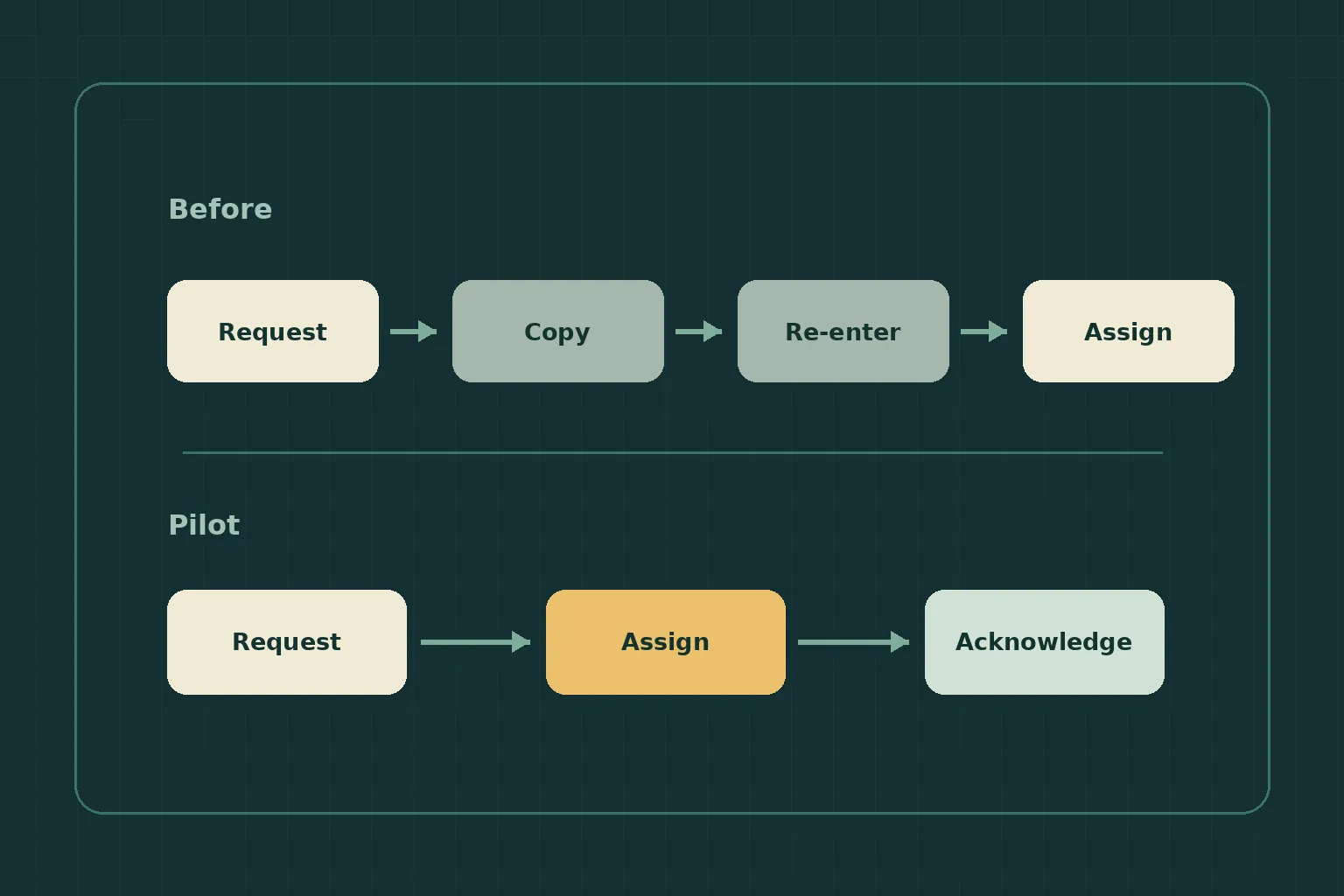
The memory aid can be short: Status unclear? Stop, assign, and recheck. Put the full instruction directly under it. For this example, “unclear” means the register has a blank approval status or lists a conflicting status for the same version. The staff member holds that version, leaves the current posted version in place, and opens one pending exception in the usual internal task queue.
Define what assign means. Put the register owner in the assignee field and describe the missing decision. If that role is unavailable, use the backup named in the current coverage reference. A message to a general group may alert other people, but it can leave the issue with no clear decision owner. The record needs to show the role expected to resolve it.
Define what recheck means. Choose the normal queue review time or a specific time set by the procedure owner. The operator, or the person covering that role, returns to the designated register and checks the same version again. When the status is still unclear, the item stays pending under the named owner. When the register gives a clear approved status, the operator can resume the ordinary task. A clear decision to withhold closes the publishing attempt with that disposition.
Give staff one easy way to recognize resolution. A reply that says “I saw this” acknowledges receipt. A current register entry that resolves the status supplies the evidence required to continue. The procedure should say where the operator sees that evidence and how to match it to the version in hand.
Lay out the page in the order a person uses it
The following is an illustrative draft for the staff packet. Substitute your actual role names, locations, status labels, and review times before approval.
| Part of the page | Illustrative instruction |
|---|---|
| Task | Post the approved monthly staff resource packet to the employee resource folder. |
| Trigger and input | A new packet is due. Open the designated distribution register and find the entry for that version. |
| Ordinary action | Confirm the register lists that version as approved, post it in the specified folder, and record the posted version. |
| Single stop rule | If the status for that version is blank or conflicting, hold it and leave the currently posted packet in place. |
| Owner and backup | Assign the existing queue item to the register owner. If unavailable, assign the backup listed in the current coverage reference. |
| What to record | Enter the packet version, unresolved status, named owner, and next review time in the existing queue item. |
| Resume or close | Recheck the register. Resume only for the exact approved version. Record a clear decision to withhold as the disposition. |
| Document control | Show the procedure owner, version, effective date, and where to find the current copy. |
Place the owner and backup reference beside the stop rule. People should be able to find the responsible role before they move on to a different task. Put document control at the bottom, where a staff member can check whether the printed or saved copy is current. A reference should point to one maintained location. If a person needs access they do not usually have, the procedure owner should resolve that before the SOP goes into use.
Alliance’s standard operating procedures support page describes the value of connecting administrative instructions to the work and the systems people already use. The example above gives the exception path the same prominence as the ordinary action so the two fit on one page.
Keep one illustrative entry beside the table if it fits. For example: “Resource packet version R04. Register status blank. Assigned to register owner. Recheck at the usual afternoon queue review.” The example shows what the operator needs to record and where the next action lands. It also helps a person see how to write a useful exception in a few words.
If the page exceeds one sheet, shorten the task history and remove repeated descriptions of the regular process first. Keep the stop sentence, the authority, and the resume evidence together. Long background material can live in the training guide linked from the document footer. Print the page at its ordinary size as a final check, because a row that splits across pages can hide the very action someone is looking for.
Separate authority to resolve from responsibility to follow through
A person can own the next follow-up without having authority to make the decision. In this example, the operator owns a later recheck and may need to tell a colleague that the packet remains pending. The register owner has responsibility for getting a clear decision into the register. The approver can authorize distribution under the existing arrangement. Spell out which role can change the approval status and which role can act once it appears.
Check the boundary with a simple question: “Who can authorize posting if the register owner is away?” The answer should lead to the designated backup or the organization’s existing authority. It should give the operator an action they are already allowed to take, such as assigning the item and checking it later. A time commitment from the operator need only describe when they will recheck. They should avoid promising when another role will decide.
When an exception crosses departments, put the name or location of the shared work record on the page. A staff member who transfers the exception needs to understand what the receiving owner sees, which piece of information establishes the exact version, and where any resolution will appear. Alliance’s cross-department communication and coordination page covers the broader question of responsibilities when work moves between teams.
Decide who looks at pending items when the operator is absent. A short note such as “the person covering packet distribution owns the next review” can be enough if the coverage list clearly identifies that person. This gives the item a route through a shift or absence while the approval authority stays with the designated role.
Test the ordinary path and the exception with fictional material
Give a colleague who did not write the page a fictional approved register entry and a mock packet. Ask them to show which version they would post, where it goes, and how they would record completion. Use a training folder or a paper mockup so the exercise leaves the real register and the current staff packet in place.
Then give the colleague a second fictional entry with the register status blank. Ask them to show what they would do from the moment they notice the blank. See whether they hold the packet, identify the register owner or named backup, and know where to record the next recheck. If they reach for a message from last month to infer approval, point the page more plainly to the designated source.
Try the same exception once with the usual owner marked unavailable. Give the colleague only the current SOP and the training version of the coverage reference. If they can find the backup yet cannot tell who may resolve the status, the document has named a contact without settling authority. Have the procedure owner verify the backup arrangement, update the wording, and rerun the scenario.
Test the return to ordinary work with one final update in the fictional register. If the update confirms the exact version, the colleague should be able to finish the routine action. You can also mark a version withheld and see whether they close the pending item with the appropriate disposition. Capture any moment where the colleague needs to ask for a step or invent one. Those moments indicate the places to revise the page.
Approve the page and keep one current version in use
Once the normal and exception paths work in practice, confirm the document owner, the authority who approves changes, and the effective date. Put the approved page where staff start the task. Point existing training material to that location, and archive superseded copies according to the organization’s usual document process. If an old shortcut appears beside the current one, make it clear which instruction staff should open next time.
Assign a maintenance check whenever the approval register changes, the owner or backup changes, or work moves to a different queue. A document owner can confirm that a person new to the task still has access to the source, can find the current coverage reference, and can identify the evidence that restarts work. Alliance’s leadership and management consulting page describes how managers can connect operational priorities to named responsibilities and follow-through.
When the next exception appears, the procedure owner can ask the operator where the item is, who owns resolution, and when they will check again. If those answers are visible from the ordinary work record, the staff member has enough to keep the issue moving within their role. The one-page instruction has then done its practical job: it gave the operator one place to stop, one accountable route for a decision, and clear evidence to look for before resuming.